
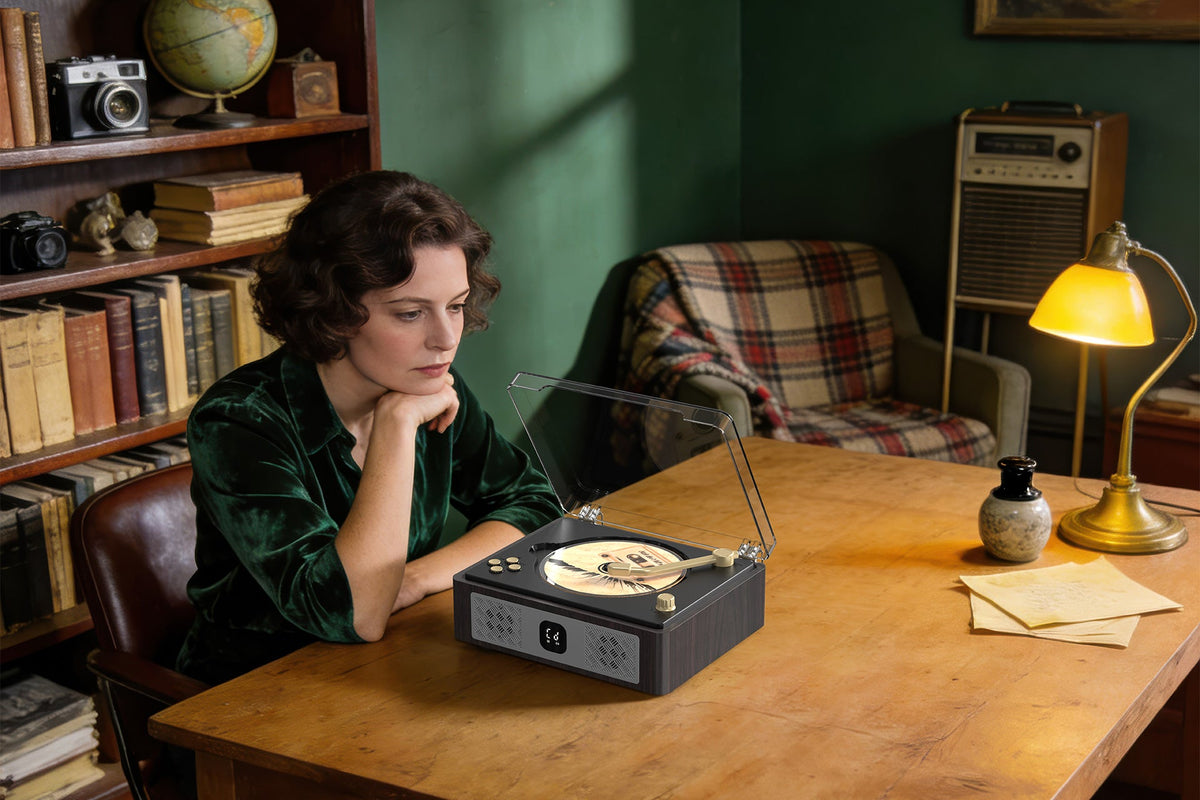
Vinyl, CDs, and the New Age of Physical Music
For a while, it seemed like physical music was disappearing.
Streaming made entire music libraries available from a phone. Playlists replaced shelves of albums. Music became something you accessed rather than something you owned.
But that story is changing.
Vinyl has been growing for years, and now CDs are showing renewed momentum too. The result isn't a return to the old days of music. Instead, we're entering something more interesting: an age where streaming and physical music can coexist.
People aren't necessarily choosing between digital and physical anymore. They're choosing different formats for different moments.
Physical Music Is Growing Without Replacing Streaming
The resurgence of vinyl and CDs doesn't mean streaming is going away.
Streaming remains the easiest way to discover new music, revisit old favorites, and carry thousands of albums everywhere. For everyday listening, its convenience is difficult to beat.
Physical music serves a different purpose.
A vinyl record or CD gives an album a physical identity. You can see it on a shelf, hold the artwork, read the packaging, and decide what to play without scrolling through an endless catalog.
That difference is becoming increasingly valuable.
In the U.S., the trend is also showing up in recent industry data. RIAA's 2026 midyear figures, reported in September, showed strong growth in physical music revenue, with CD revenue growing particularly quickly.
The important part isn't simply that sales are increasing.
It's why people still want physical music when practically everything is available online.

We Don't Just Listen to Music. We Collect It.
Streaming is excellent for listening.
Physical formats are excellent for collecting.
Those are two different experiences.
Someone might discover an album on Spotify, listen to it repeatedly for months, and eventually decide to buy the CD or vinyl because the album has become meaningful to them.
The physical copy becomes a reminder of a particular artist, period, trip, relationship, or stage of life.
That's one reason physical music can feel more personal.
You aren't simply storing data. You're building a collection with a story behind it.
Vinyl and CDs Do Different Things
Vinyl and CDs are often discussed as competitors, but they don't have to be.
Vinyl has a strong visual and tactile presence. Large album artwork makes records naturally suited to display, while the process of selecting, handling, and playing a record creates a more deliberate listening ritual.
CDs take up much less space and can be easier to organize as a growing collection. They also fit naturally into smaller listening setups.
That makes the two formats surprisingly complementary.
A music lover might keep favorite albums on vinyl while collecting other releases on CD. Another person might prefer CDs for everyday physical listening and vinyl for special albums.
There isn't one correct way to build a collection.
The Listening Setup Is Changing Too
Once physical music becomes part of everyday life again, the equipment around it starts to change.
The traditional stereo system was often designed around a specific idea: one source, an amplifier, and a pair of speakers.
Modern home audio is much more flexible.
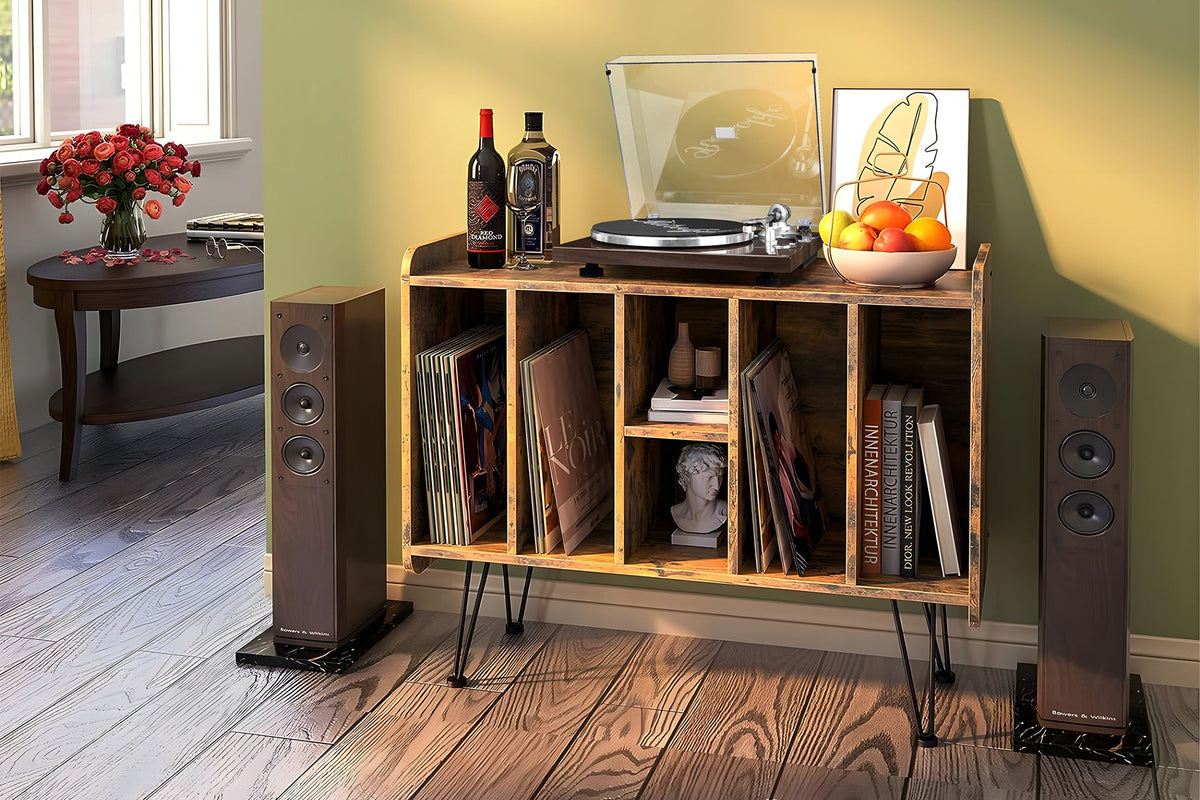
A listening corner might include:
- A turntable for vinyl
- A CD player for physical CDs
- Powered speakers for a simple stereo setup
- Bluetooth for wireless listening
- An acrylic record holder for displaying the current album
- Compact storage for the rest of the collection
Instead of hiding everything inside a large entertainment cabinet, people can make the listening setup part of the room.
That's particularly relevant for modern turntables.
An acrylic model such as the AudioKeeper GENESIS-V2 can function as both audio equipment and a visual feature. Its transparent design allows it to work naturally with contemporary interiors, while vinyl can be displayed nearby on an acrylic record stand or holder.
The equipment becomes part of the environment rather than something that needs to disappear.
Album Artwork Is Having Another Moment
There's another reason physical music fits today's homes so well: album artwork is visual.
A streaming app can show you an album cover for a few seconds.
A physical album can stay on display all day.
This creates a natural connection between music collecting and interior design.
A favorite record can sit on a record stand. A small stack of CDs can be organized beside a CD player. A transparent acrylic display can keep an album visible without making the room feel crowded.
The result is less like traditional media storage and more like personal décor.
And because music taste is personal, these displays can say something about the person who lives there.
The New Music Collection Is More Personal
The biggest change may not be technological at all.
It's cultural.
For years, owning music was becoming less important because access was so easy. Now some listeners are rediscovering the pleasure of choosing what deserves a permanent place in their homes.
That doesn't mean buying everything.
It can mean buying less — but choosing more carefully.
One person might have 500 streamed albums and 20 physical ones.
Another might have a shelf of CDs from their teenage years.
Someone else might collect only vinyl.
The size of the collection matters less than the connection to it.
What Comes Next?
The future of music probably won't be completely digital or completely physical.
It will be both.
Streaming will continue to handle convenience and discovery. Vinyl and CDs can provide ownership, collecting, artwork, and a more intentional listening experience. Bluetooth and other wireless technologies make it easier to connect modern devices without giving up physical formats.
That combination is what makes today's music landscape different from the one we grew up with.
Physical music isn't coming back because people forgot how convenient streaming is. It's coming back because convenience isn't the only thing people want from music.
Sometimes we want to discover an album instantly.
Sometimes we want to put a record on.
Sometimes we want to press play on a CD we've owned for twenty years.
And sometimes, we simply want to see our favorite album sitting on the shelf.






Leave a comment
All comments are moderated before being published.
This site is protected by hCaptcha and the hCaptcha Privacy Policy and Terms of Service apply.