
You can listen to almost any song you want without owning a single one.
That's one of the great things about streaming.
A phone can give you access to entire discographies, obscure releases, old favorites, and whatever happens to be trending this week. No shelf required. No storage boxes. No waiting for anything to arrive.
And yet, people are still buying records and CDs.
That might seem strange until you realize that access and ownership are not the same experience.
For many music fans, physical music isn't about needing a better way to play a song. It's about wanting something connected to the music that can actually exist in the room with them.
Streaming Solved the Access Problem
Streaming is incredibly good at what it does.
Want to hear an album you've never listened to? Search for it.
Want to try an artist before buying anything? Press play.
Want a playlist for a dinner party? There are probably several already made.
The friction is almost zero.
But that convenience also changes the way music feels.
An album on a streaming service is part of a huge catalog. It's available, but it's also surrounded by millions of other choices.
A physical album creates a boundary around the experience.
You picked this one.
You own this one.
You're going to listen to this one.
That small difference can matter more than it seems.

A Physical Album Has a Story
Ask someone why they own a particular record or CD and the answer often isn't about sound quality.
It might be:
“I bought it on my first trip to New York.”
“My dad had the same album.”
“This was the first record I bought with my own money.”
“I listened to this album every day that summer.”
The physical object becomes connected to a memory.
That's something a streaming library doesn't necessarily provide in the same way.
The music may be identical, but the object around it carries a story.

Album Artwork Becomes Part of the Experience
Physical music also gives album artwork a second life.
On a phone, an album cover is usually a small image surrounded by menus, buttons, recommendations, and other information.
A record sleeve is different.
It can sit on a shelf.
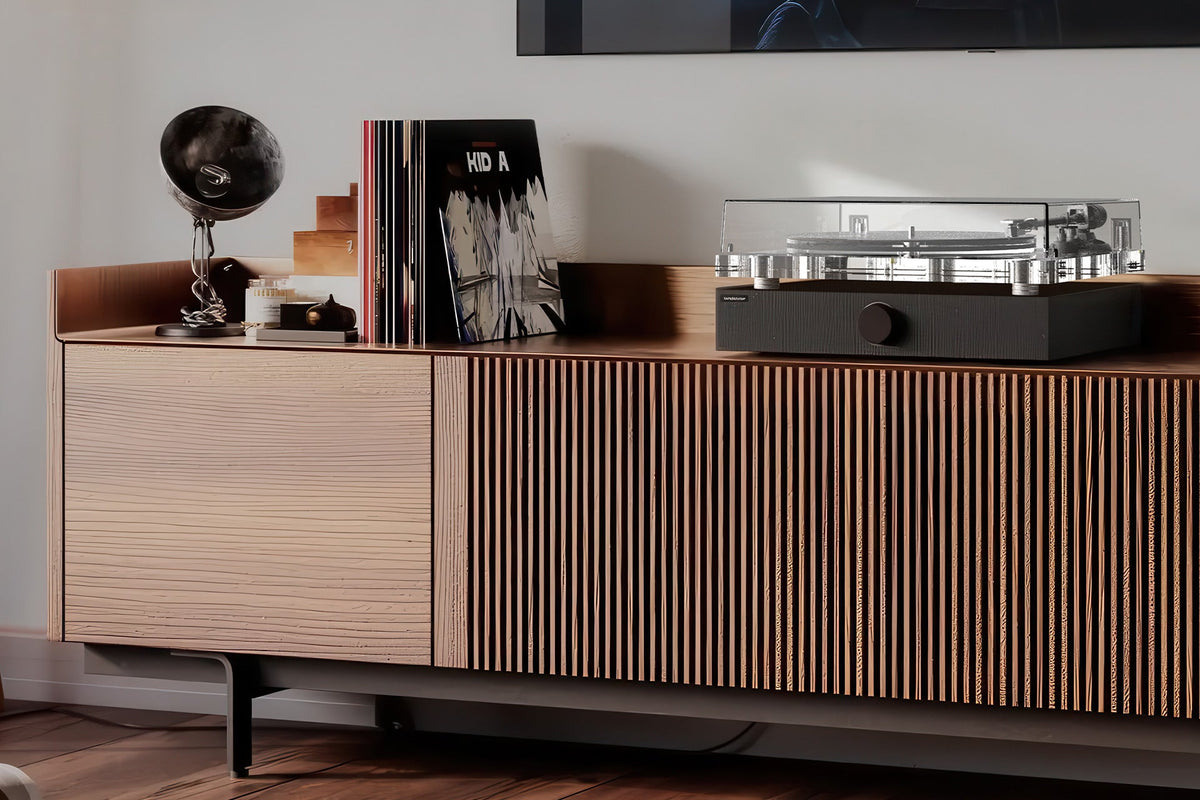
It can be displayed beside a turntable.
It can become part of a room.
That's one reason vinyl fits so naturally into home interiors. A record isn't only something you listen to; its artwork can become something you look at.
An acrylic record holder makes this especially simple. Put the album you're playing on display and suddenly your listening setup has a visual centerpiece.
The music is no longer invisible.

There's Something About Choosing an Album
Physical music also introduces a little friction—and sometimes friction is good.
You have to choose a record.
You have to take it out.
You have to put it on the turntable.
You have to turn it over when the side ends.
With a CD, the process is simpler, but there's still a physical decision: choose the disc, put it in the player, and press play.
Compared with tapping a playlist, it's slower.
That's exactly the appeal for some listeners.
The process gives the music a beginning.

Physical Doesn't Mean Anti-Digital
It's easy to frame the vinyl and CD revival as a rejection of streaming.
But that's not how most modern listening actually works.
Someone can discover an artist through TikTok, listen to the album on Spotify, watch a live performance on YouTube, and then buy the vinyl because they love the record.
Another listener might stream music during work but play CDs at home.
Someone else might own a turntable but still use Bluetooth speakers and streaming every day.
There doesn't have to be a choice.
Digital music is convenient. Physical music is tangible.
Both can have a place.
Why Younger Listeners Find Physical Music Interesting
For people who grew up with streaming, physical music can have an unexpected appeal.
It isn't necessarily nostalgia because they never experienced the original CD or vinyl era.
Instead, physical media can feel like something deliberately chosen in a world where most digital content is temporary and endlessly replaceable.
Buying an album creates a little bit of permanence.
You can put it on a shelf and see it six months later.
You can lend it to someone.
You can display it.
You can keep it for years.
The object doesn't disappear when you close an app.
The Listening Space Becomes Part of It
Once music becomes physical, the space around it starts to matter.
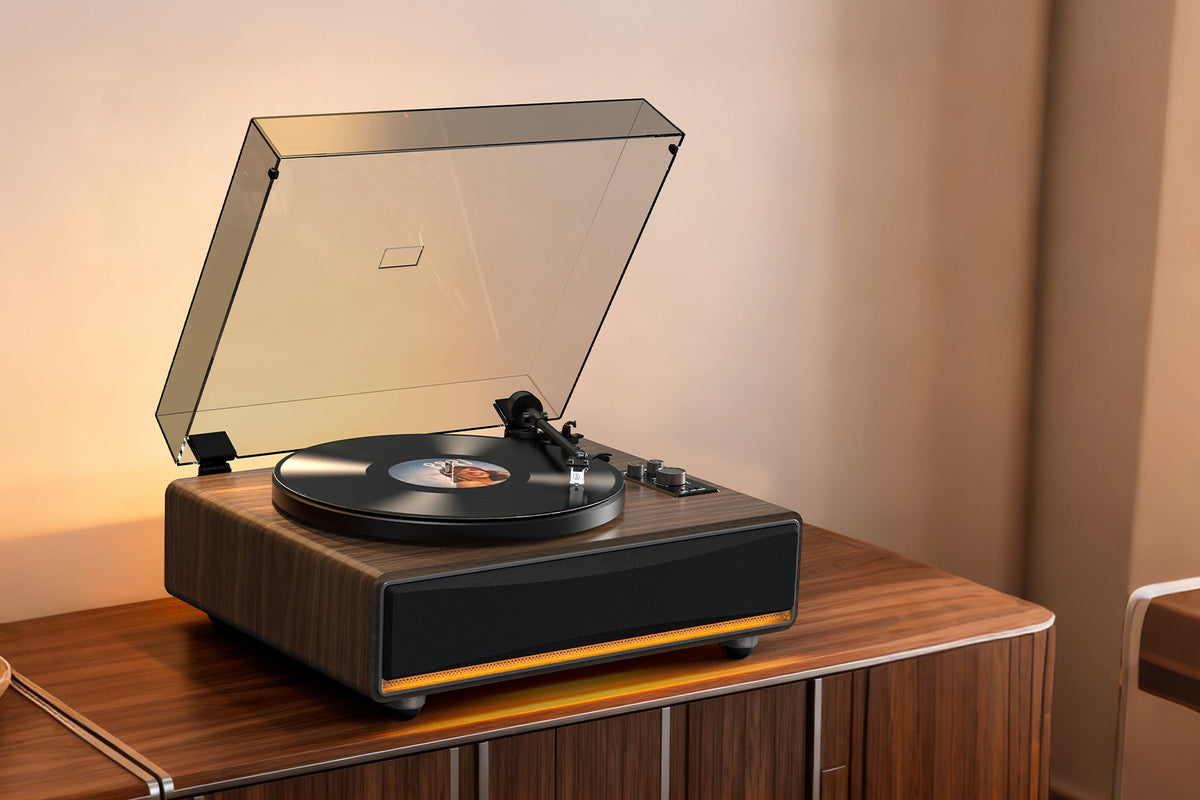
A turntable needs somewhere to sit.
Records need somewhere to go.
Speakers need to be positioned.
An album might deserve a display stand.
Suddenly, listening to music becomes connected to the physical environment.
That's why modern audio equipment increasingly has a role in interior design.
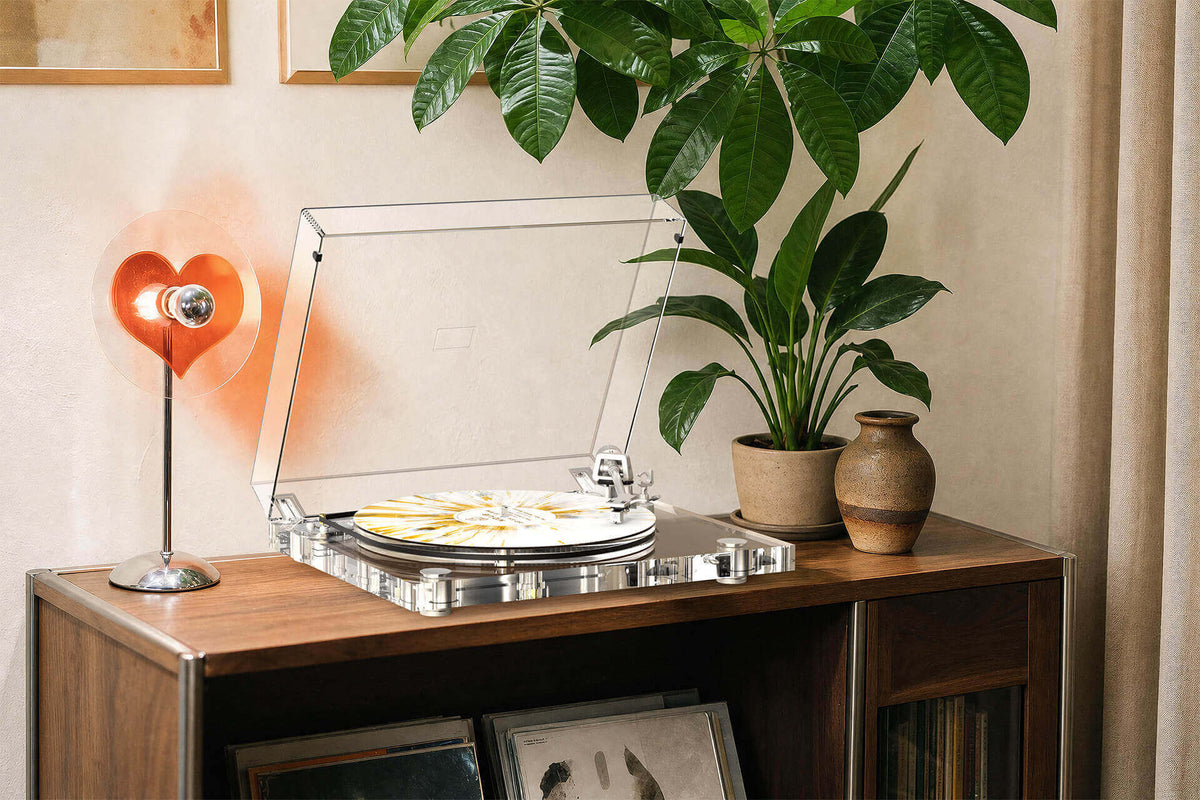
A transparent acrylic turntable such as the AudioKeeper GENESIS-V2 doesn't have to be hidden inside a cabinet. Its design can become part of the room, alongside speakers, records, books, and other personal objects.
The listening setup becomes a reflection of taste—not just a collection of electronics.

Maybe We Don't Want More Music. We Want More Meaning.
We already have an enormous amount of music available.
The question isn't whether we need more access.
We probably don't.
What people may be looking for is a stronger relationship with the music they already love.
A physical album gives that relationship somewhere to live.
It can sit on a shelf.
It can collect a little dust.
It can remind you of a particular year.
It can become part of your home.
And years from now, you can pick it up again and remember why you bought it in the first place.
Maybe that's why music fans still want something they can hold.
Not because streaming isn't good enough.
Because sometimes, the things we value most are the things that don't disappear when we put our phones down.







Leave a comment
All comments are moderated before being published.
This site is protected by hCaptcha and the hCaptcha Privacy Policy and Terms of Service apply.