
We live in an era of unprecedented audio convenience. Today, millions of songs sit inside a glass rectangle in your pocket. You can skip, shuffle, and auto-play music for days without ever hearing the same track twice.
Yet, despite having the world’s entire music catalog at our fingertips, many music lovers across North America and Europe feel a growing sense of "digital fatigue."
When music becomes invisible, weightless, and endless, it often turns into background noise—something we play while checking emails or scrolling social media.
This explains why physical formats like vinyl records and CDs are enjoying a massive renaissance. Physical music isn’t just a medium for sound; it’s an emotional and sensory experience. Here is why dropping a needle or pressing play on a tangible album feels completely different in the digital age.
1. The Power of Tactile Ritual (Mindful Listening)
Streaming is passive; physical music is active and intentional.
When you play a vinyl record, you participate in a mindful sequence:
-
You browse through your record crate.
-
You pull the vinyl disc out of its sleeve, feeling its weight and texture.
-
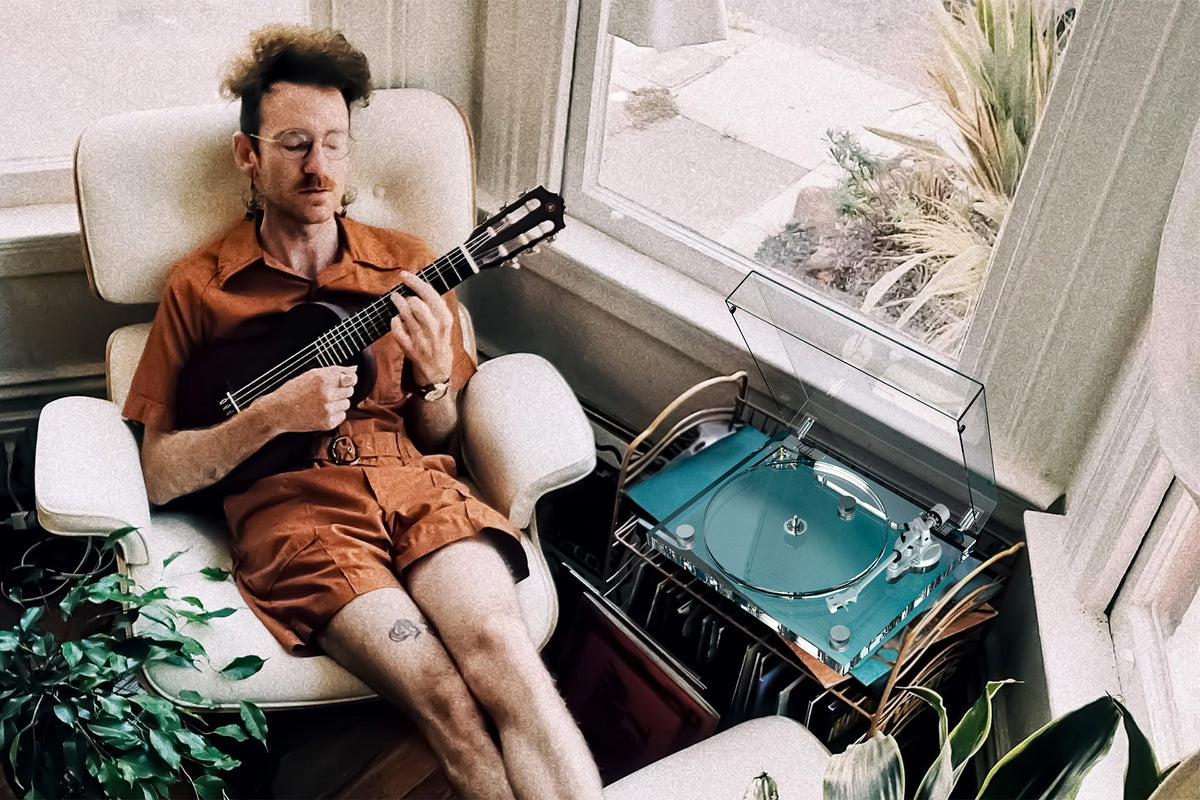
You place it gently onto the platter, clean the dust with a carbon fiber brush, and lower the stylus into the groove.
This physical ritual forces you to slow down and present yourself to the art. It turns listening into an activity in its own right, rather than just background noise for multitasking.
2. Analog Warmth vs. Digital Compression
Algorithm-driven streaming services prioritize file compression and loudness to stream efficiently over mobile networks.
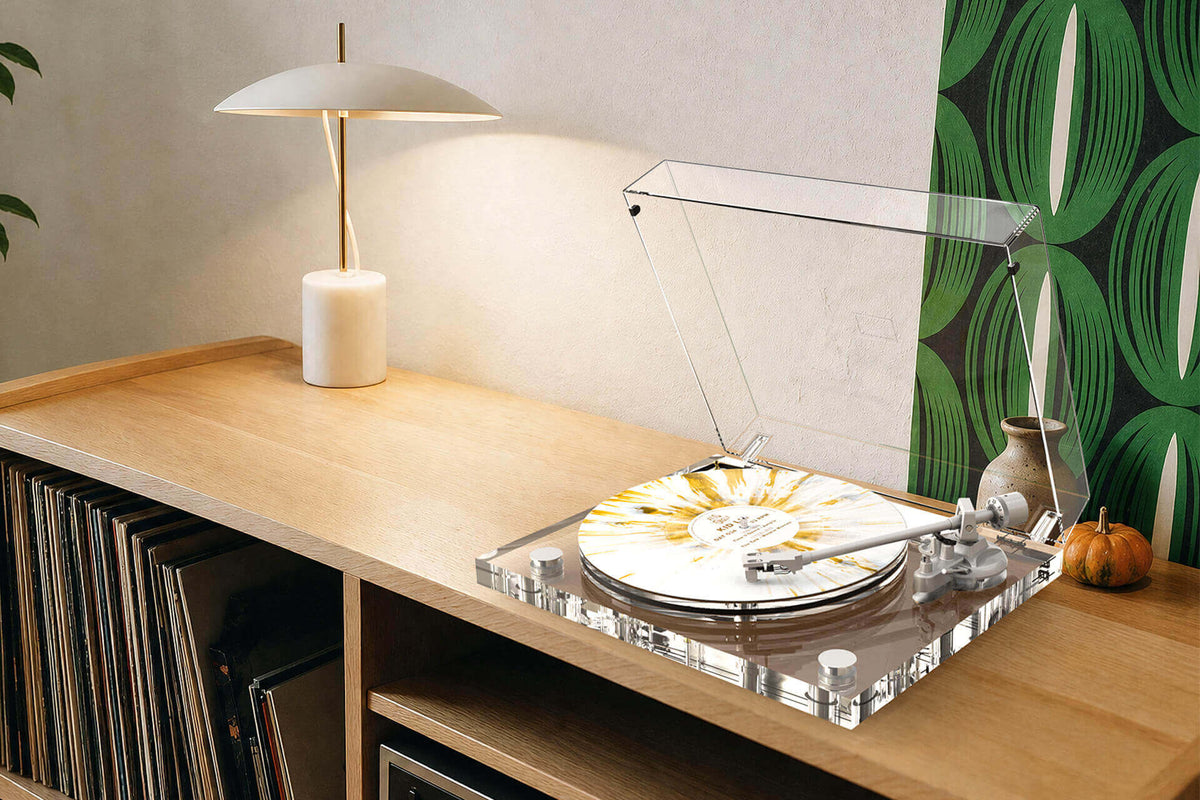
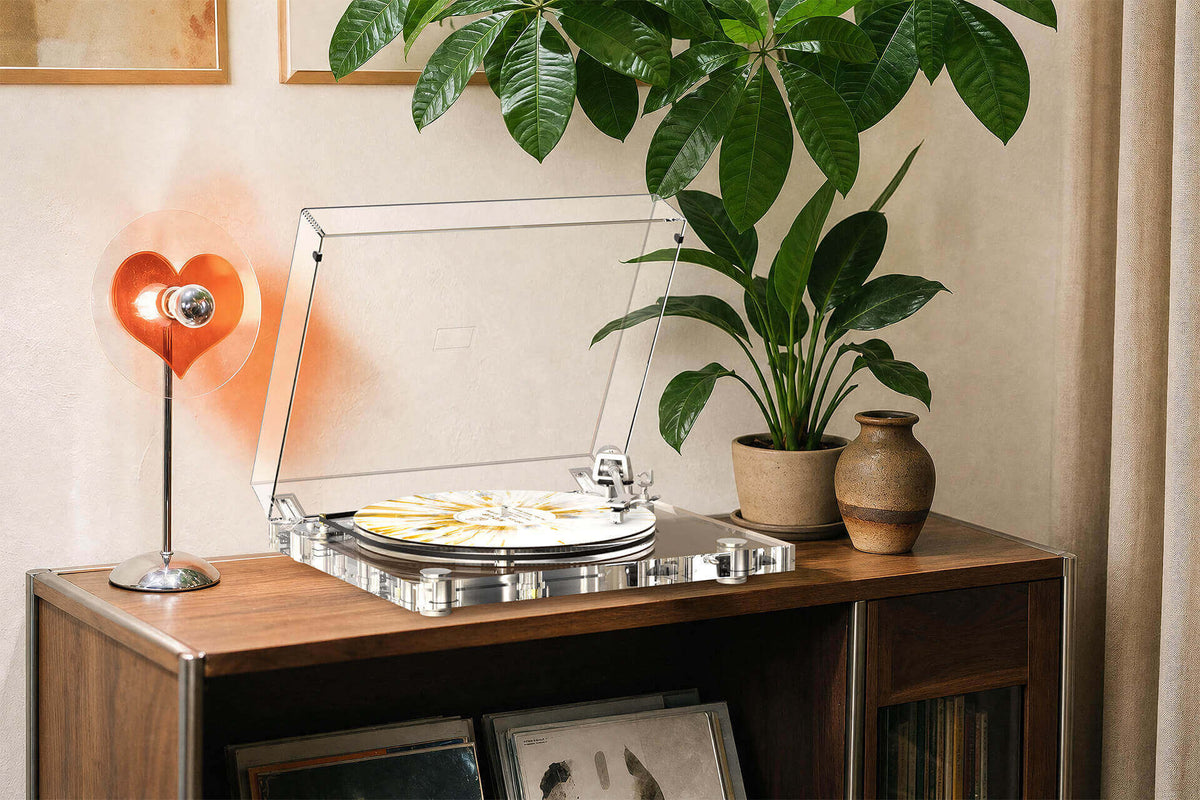
By contrast, an analog record features continuous sound waves carved directly into vinyl grooves. When played through a high-density platter—such as a transparent acrylic turntable—the audio retains its natural dynamic depth, organic midrange, and acoustic warmth. You aren't just hearing sound frequencies; you feel the room fill with presence.
3. Real Ownership in a Rental Economy
When you stream, you don't own your music—you rent access to a temporary license that can disappear overnight due to contract negotiations.
A physical vinyl record or CD is yours forever. It exists on your shelf, carries memories of the local record shop where you found it, and can be passed down to future generations. Physical media brings back the pride of building a personal music library.
🧠 Digital vs. Physical Listening Experience
| Listening Dimension | Streaming Playlists 📱 | Physical Music (Vinyl / CD) 🎵 |
| User Mindset | Passive background noise, frequent skipping | Active, intentional, uninterrupted listening |
| Ownership | Digital subscription (temporary access) | Tangible collection (permanent physical asset) |
| Sensory Engagement | Visual screen scrolling only | Tactile handling, album artwork, analog ritual |
| Sound Character | Compressed digital files optimized for phone speakers | Uncompressed digital (CD) or warm analog dynamics (Vinyl) |
The Verdict: Reconnecting with Sound
Physical music isn't about rejecting modern technology; it’s about restoring balance. In a fast-paced digital world, choosing to spin a vinyl record or play a CD is a simple act of self-care—a daily invitation to pause, pour a drink, and truly listen.
Ready to rediscover the sensory magic of physical music? Explore AudioKeeper’s Transparent Turntable & Audio Collection designed for intentional listening spaces.

Frequently Asked Questions:
-
Q: Why are vinyl records and CDs becoming popular again? Physical media is experiencing a resurgence because listeners crave tangible ownership, mindful listening rituals, tactile album artwork, and warm, uncompressed sound that streaming algorithms cannot replicate.
-
Q: What is digital fatigue in music streaming? Digital fatigue occurs when unlimited choices, screen scrolling, and background auto-play turn music into passive background noise, reducing the emotional connection listeners feel toward albums.
-
Q: Does physical vinyl sound noticeably different than streaming? Yes. Vinyl records store analog sound waves without compression, offering an organic frequency response and spatial depth that sounds richer when played on quality turntables.






Leave a comment
All comments are moderated before being published.
This site is protected by hCaptcha and the hCaptcha Privacy Policy and Terms of Service apply.